
NUTELLA FILLED MARBLE CHOCOLATES

Sabeena Bubber • March 31, 2015

The girls love to watch a ton of DIY shows and convinced me it would be fun to make chocolates on a rainy afternoon over spring break. Make sure when you’re serving this that no one has any peanut allergies.


Ingredients:
1 silicone chocolate mould
8 oz pure sweet chocolate
1/2 oz pure white chocolate.
1/4 cup Nutella (maybe less)


Using a double boiler, melt the white chocolate first. Transfer to a small cool dish. Swipe your finger through the white chocolate and then swipe through each of the moulds creating a white stripe in the bottom of each mould. Put in the fridge to cool.
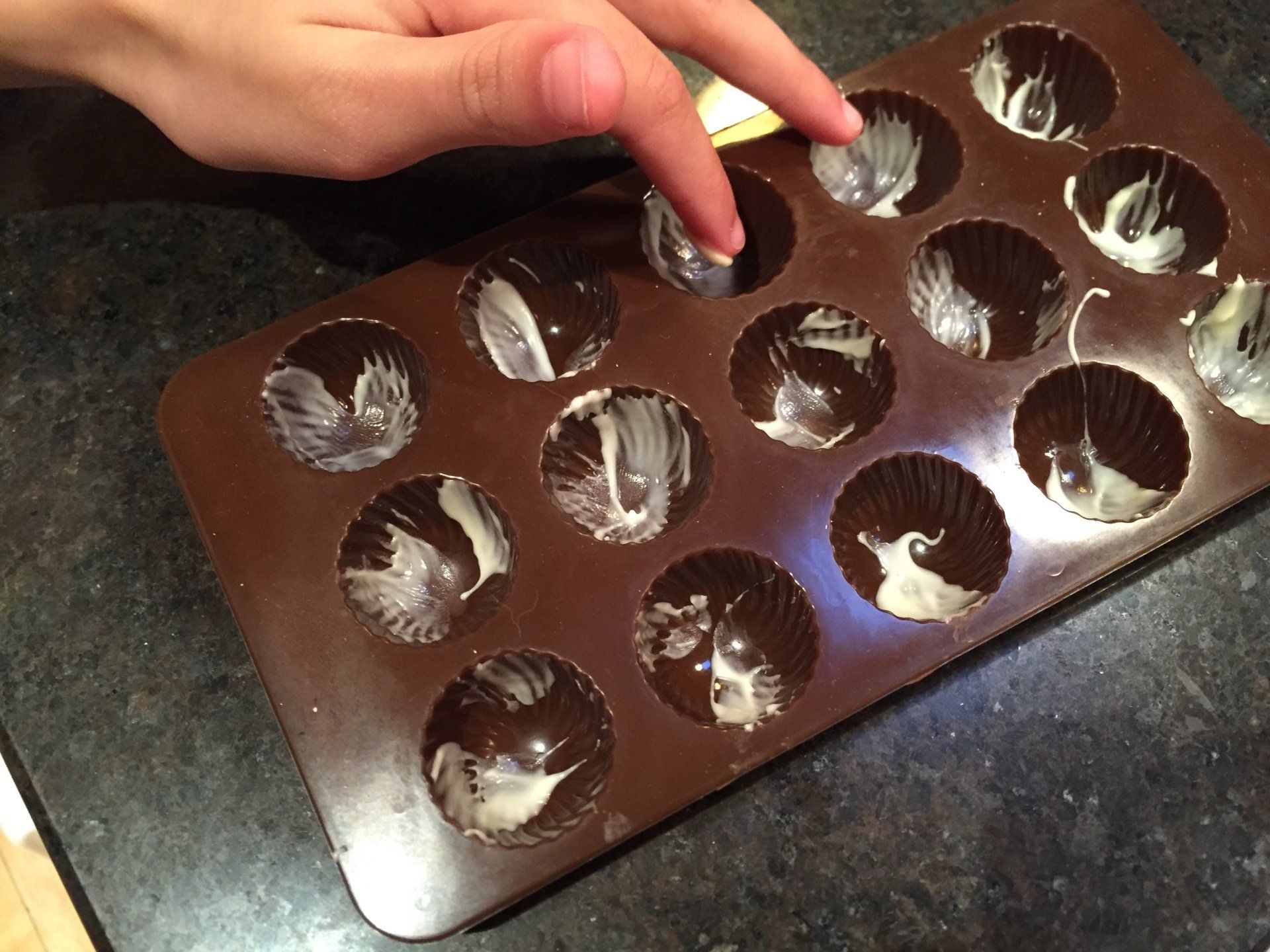

Heat 6 oz of the pure sweet chocolate in a double boiler until melted through.

Don’t cool. Pour into the mould until all the cups are full. Use a straight cake spatula to level the chocolate and move excess chocolate into the moulds that need it. Our chocolate mould holds 15 chocolates.

Let it chill in the fridge for 2 minutes to set a little. (If you want a thicker shell, keep it in longer).  Remove from fridge and turn upside down over a bowl in order to let the excess chocolate come out. There should just be the chocolate line along the moulds. Use the spatula to clean the top as we will need this clear for the last step to work. Tap the mould to remove any air bubbles in the chocolate.

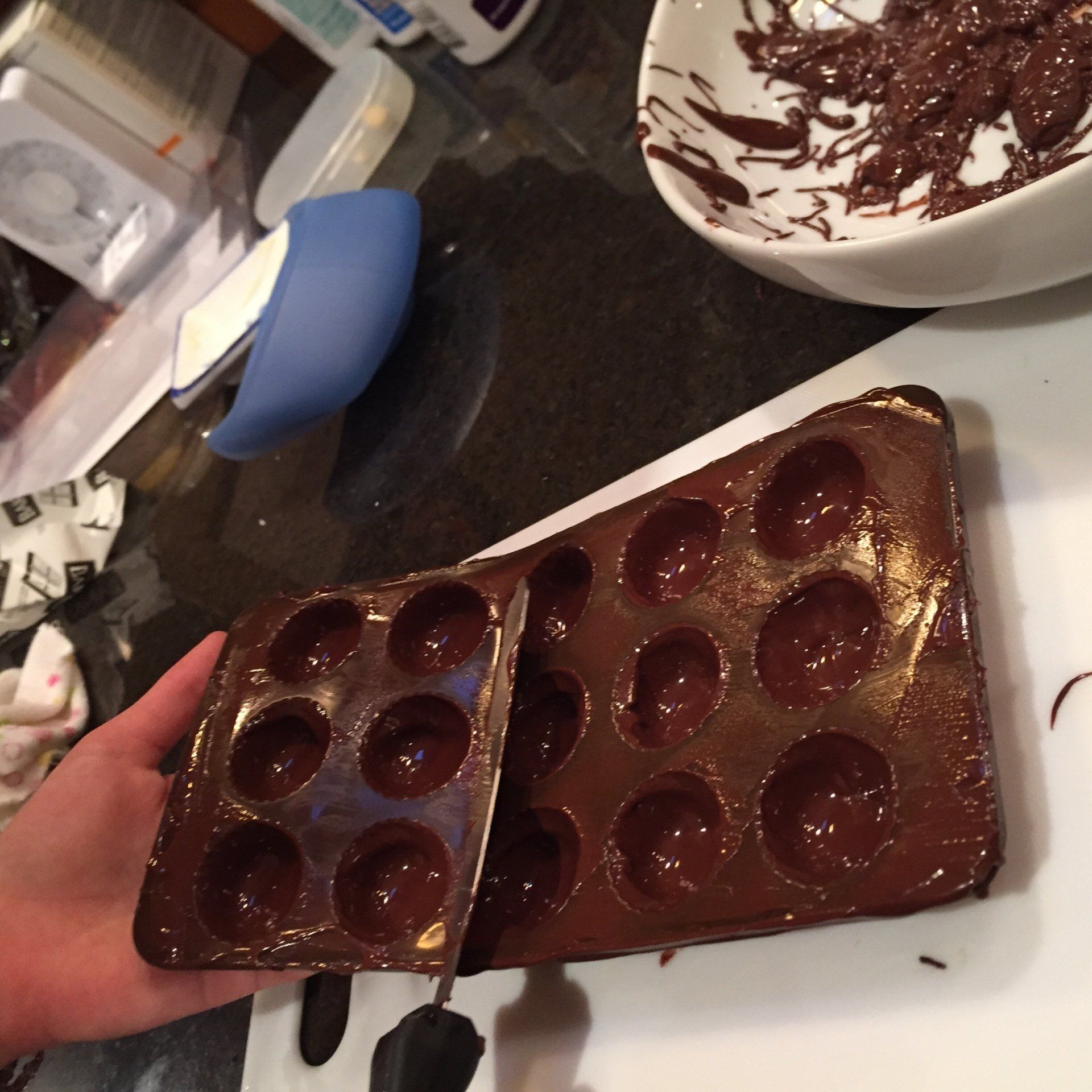
Put in the fridge and let cool for 30 minutes.


In a ziplock bag, spoon in the Nutella and move it towards a corner. Snip a small hole in the bag as this is how we will pipe the Nutella as the filling.


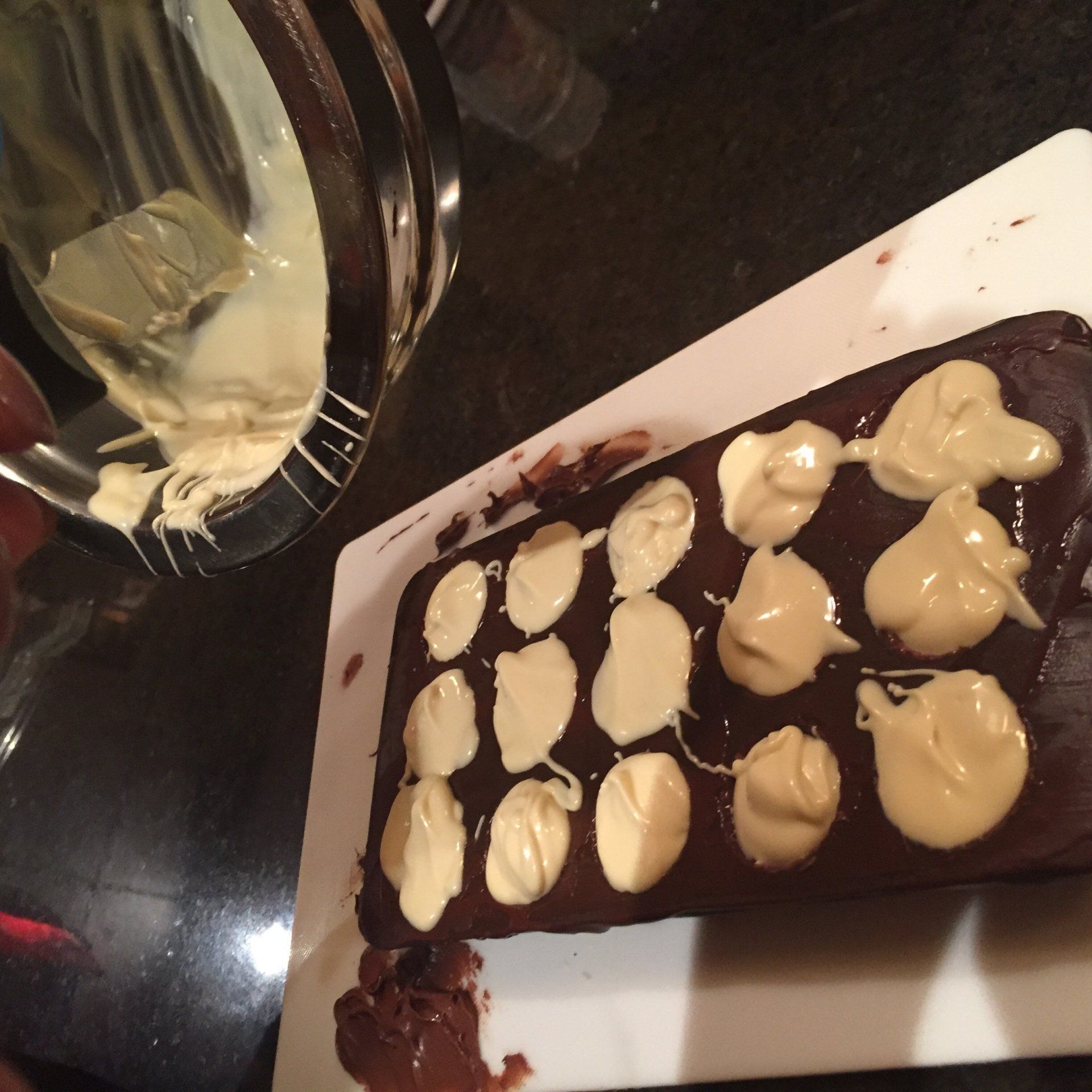
Once you take the chocolate out of the fridge then pipe the Nutella in the moulds. Remember not to fill the Nutella to the top. We will need room for the layer of chocolate that will seal the chocolate


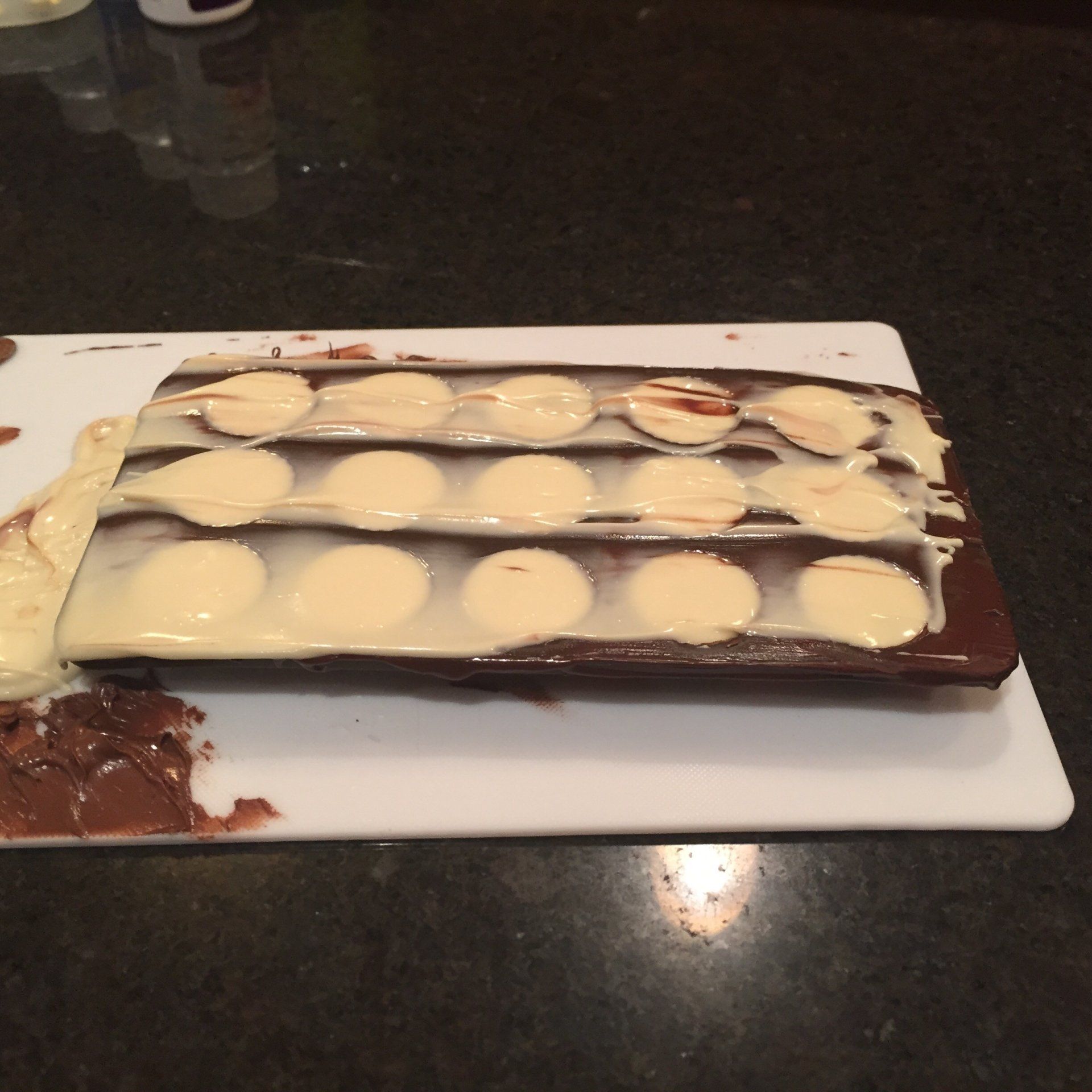
We used white chocolate for the bottom layer here as we had extra white. Melt it and run a layer over the cooled layer of chocolate. Use the spatula to even out and refrigerate for another 30 minutes.

SHARE THIS ARTICLE

RECENT POSTS

By Sabeena Bubber June 17, 2026
For most Canadians, the down payment is the biggest hurdle to homeownership. A down payment is the initial amount you contribute toward your property purchase, while the lender covers the rest through a mortgage. By law, Canadian lenders can only finance up to 95% of a property’s value, which means you’ll need at least 5% down to qualify. If you’re putting down less than 20%, your mortgage must be insured through one of Canada’s three default insurance providers— CMHC, Sagen (formerly Genworth), or Canada Guaranty . This insurance comes at a cost, but it can be rolled into your mortgage amount. The less you put down, the higher the premium. Since saving a down payment can feel overwhelming, it helps to know the different sources you can draw from. Here are the most common options available to Canadian homebuyers: 1. Savings & Personal Resources The most straightforward source is your own savings. Lenders will ask to see a 90-day history of the funds in your account. Any large deposits outside of regular payroll must be explained with documentation—such as the sale of a vehicle or a transfer from an investment account. This requirement isn’t just red tape; it’s part of Canada’s anti-money laundering rules. 2. Proceeds from the Sale of a Property If you’ve recently sold another home, you can use the proceeds as a down payment on your new purchase. Proof of the sale—such as the final statement of adjustments from your lawyer—will be required. 3. RRSP Home Buyers’ Plan (HBP) First-time buyers can withdraw up to $35,000 each (or $70,000 as a couple) from their RRSPs to put toward a down payment under the federal Home Buyers’ Plan . The funds are withdrawn tax-free, but they must be repaid over a 15-year period. This is a popular option for buyers who have been steadily contributing to their retirement savings. 4. Gifted Down Payment With today’s housing prices, many buyers turn to family for help. A parent or immediate family member can provide a gift that makes up part—or even all—of the required down payment. The lender will require a signed gift letter confirming that the money is a true gift (with no repayment expected) and proof that the funds have been deposited into your account. 5. Borrowed Down Payment In some cases, you may be able to borrow your down payment. This option is usually available only if you have strong credit and sufficient income. The payments on the borrowed funds are factored into your debt service ratios, so affordability is key. Lenders typically use 3% of the outstanding balance when calculating the additional payment. The Bottom Line A down payment doesn’t have to come from just one source—it can be a combination of savings, gifted funds, RRSPs, or other resources. What matters most is being able to show where the money came from and that it meets lender requirements. If you’d like to explore your options or learn how much you might qualify for, it’s never too early to start the conversation. Connect with us today—we’d be happy to help you create a plan and take the first steps toward homeownership.
By Sabeena Bubber June 10, 2026
The Bank of Canada announced today that it is maintaining its target for the overnight rate at 2.25%, with the Bank Rate at 2.5% and the deposit rate at 2.20%. For Canadian homeowners, buyers, and anyone with a mortgage on the horizon — here's what you need to know.
By Sabeena Bubber June 3, 2026
When it comes to selling your home, most people think the first call should be to a real estate agent. But the smartest first step often isn’t with your agent—it’s with an independent mortgage professional. Why? Because your mortgage plays a bigger role in your bottom line than most people realize. Planning to Buy After You Sell If selling means you’ll also be purchasing another property, you’ll want to know exactly where you stand financially before listing. Mortgage rules change regularly, and qualifying once doesn’t guarantee you’ll qualify again. Getting a pre-approval in place ensures you know what you can afford and eliminates surprises later. On top of that, reviewing the terms of your existing mortgage could uncover options you may not have considered. For example, porting your mortgage instead of arranging a brand-new one could save you thousands. Selling Without Buying Even if you aren’t planning to buy right away, there’s still an important step: understanding the cost of breaking your mortgage. Unless your mortgage is open, penalties apply—and they can be significant. By reviewing the numbers with a mortgage professional, you might find that simply adjusting your timeline could reduce or even avoid costly fees. Navigating Life Changes In situations like a marital breakdown, it can feel like selling the family home is the only path forward. But that’s not always the case. With the right guidance and a legal separation agreement, one spouse may be able to buy out the other, keeping the home and providing stability for everyone involved. The Bottom Line Selling your property is more than just putting a sign on the lawn—it’s about creating a financial plan that protects your equity and positions you for the best possible outcome. Before you take the leap, let’s sit down and review your options. 📞 If you’re ready to talk strategy and make sure you get top dollar for your property, I’d be happy to connect anytime.

LET'S TALK

SABEENA BUBBER

MORTGAGE BROKER | AMP

Contact Us